Wild Blue Skies Blue Bombers Wingmen
Thorne, Chuck, and Roe in formation fights and story beats
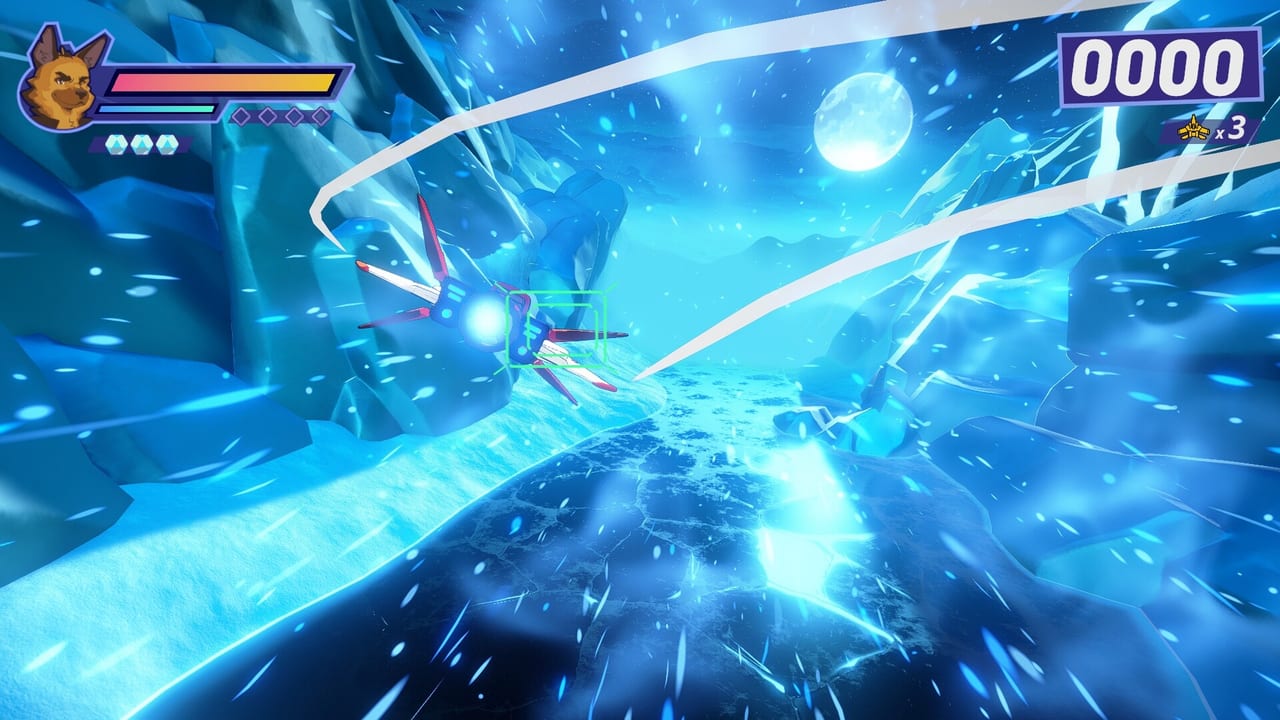
While Bowie Stray holds the stick, Wild Blue Skies sells its squad fantasy through three wingmen—Thorne, Chuck, and Roe—who fly alongside the lead Cloudcutter through on-rails missions, rival dogfights, and branching campaign paths. They are not mute escorts: preview footage and demo radio chatter give each pilot a distinct voice, and combat scripts show them breaking formation to intercept threats or pursue named rivals. Understanding wingmen behavior is one of the fastest ways to improve medal runs without memorizing every turret placement.
This guide profiles each wingman, explains how AI allies interact with player inputs, and links wingman performance to scoring and secret content across the wiki.
Why wingmen matter mechanically
On-rails shooters often treat allies as cosmetic. Wild Blue Skies appears to invest more. Wingmen:
- Draw fire during clustered enemy waves, giving Bowie breathing room to rebuild chains.
- Trigger assists when you maintain formation through marked rail segments.
- Engage rivals during optional dogfight bubbles tied to Medal Guide requirements.
- Signal branches through distress calls or pursuit lines that hint at Hidden Missions.
Ignoring wingmen can still clear stages, but gold medals and secret routes frequently assume you protect the squad. Treat wingman HP as a shared resource between story integrity and score grade.
Thorne
Thorne appears in multiple preview clips as the wingman who stays closest to Bowie’s six during tight canyon runs and ocean approaches. Demo snippets suggest Thorne takes aggressive intercept lines when fast movers threaten the formation—useful when you are locked onto ground targets and need someone to handle sky threats.
Player habits that help Thorne:
- Hold centerline before sharp turns so Thorne does not clip terrain.
- Finish rival markers quickly when Thorne commits to a duel; prolonged fights increase friendly damage.
- Replay desert ridge missions in Environments to learn where Thorne breaks early.
Chuck
Chuck carries much of the squad’s radio personality in preview materials—banter that keeps missions readable during long rail segments. Combat-wise, Chuck often appears on the opposite flank from Thorne, creating crossfire during pincer enemy spawns.
Chuck seems tuned for suppression: sustained fire on turret clusters while Bowie focuses elites. That makes Chuck valuable on cave stages where visual clutter hides small threats. If your medals require reduced civilian damage, watch Chuck’s line of fire during strafing runs.
Roe
Roe shows up in multi-ship attack footage—often third in formation during dramatic wide shots. Roe’s role looks oriented toward heavy targets: slow movers, armored transports, and miniboss-like craft preceding rival aces.
When Roe calls out a priority target, shifting focus early usually preserves squad health. Roe also appears in demo frames near branching paths; if a wingman veers toward an optional tunnel or side canyon, follow and check Campaign Overview for matching branch labels.
Formation language and radio cues
Wingmen communicate with short, repeatable cues rather than long cutscenes mid-combat. Learn to recognize:
| Cue type | Likely meaning | Wiki follow-up |
|---|---|---|
| Formation tighten | Upcoming rail squeeze or escort window | Controls Cheatsheet |
| Rival contact | Optional dogfight bubble | Ace Tips |
| Break break break | Wingman pursuing branch or evading missile lock | Hidden Missions |
| Mayday / heavy damage | Escort fail risk for medals | Medal Checklist |
Exact phrasing may vary in final audio, but the pattern—short warnings before mechanical shifts—shows up consistently in preview edits.
Wingmen vs Grimclaw’s rivals
Enemy rival squadrons mirror Blue Bombers flair: coordinated passes, taunts, and tech that resembles Cloudcutter hulls. Wingmen will engage these rivals even if you hang back, but player kills on named rivals typically count toward medals. Balance aggression: let wingmen soften targets, then secure the finishing hit before they break off.
Read Grimclaw and Rivals for faction context and Score System for how rival chains stack with ground targets.
Building wingman-friendly routes
Route planning is a team sport:
- Clear the mission on standard path with wingmen alive.
- Note where each wingman took damage—those are priority fixes on replay.
- Add optional dogfights one at a time rather than all at once.
- Layer hidden branches only after wingman survival is stable.
The Medal Checklist tool helps track habits like “all wingmen above 50% HP” or “no mayday calls” across replays.
Pre-launch expectations
Wingman scripting may receive tuning patches near launch. Demo behavior under Steam app 1921490 is the best current reference. After August 13, 2026, compare PS5 and Xbox Series versions if wingman AI differs by platform—unlikely, but worth noting in Release Platforms discussions.
Thorne, Chuck, and Roe turn Bowie from a solo gunner into a squad captain. Learn their rhythms and Wild Blue Skies reads less like a rail gallery and more like a coordinated aerial drama.
Frequently Asked Questions
Quick answers from launch-day stores, reviews, and in-game systems.
Who are Bowie's wingmen?
Thorne, Chuck, and Roe fly as Blue Bombers wingmen alongside player character Bowie Stray.
Can wingmen die or leave missions?
Preview missions imply wingmen can take heavy damage and that survival affects performance grades. Exact fail states will be clearer after full release.
Do I control wingmen directly?
No. Wingmen are AI allies. You influence them through formation position, target priority, and route choices.