Wild Blue Skies Branching Paths
Visible splits, speed gates, and route choice strategy
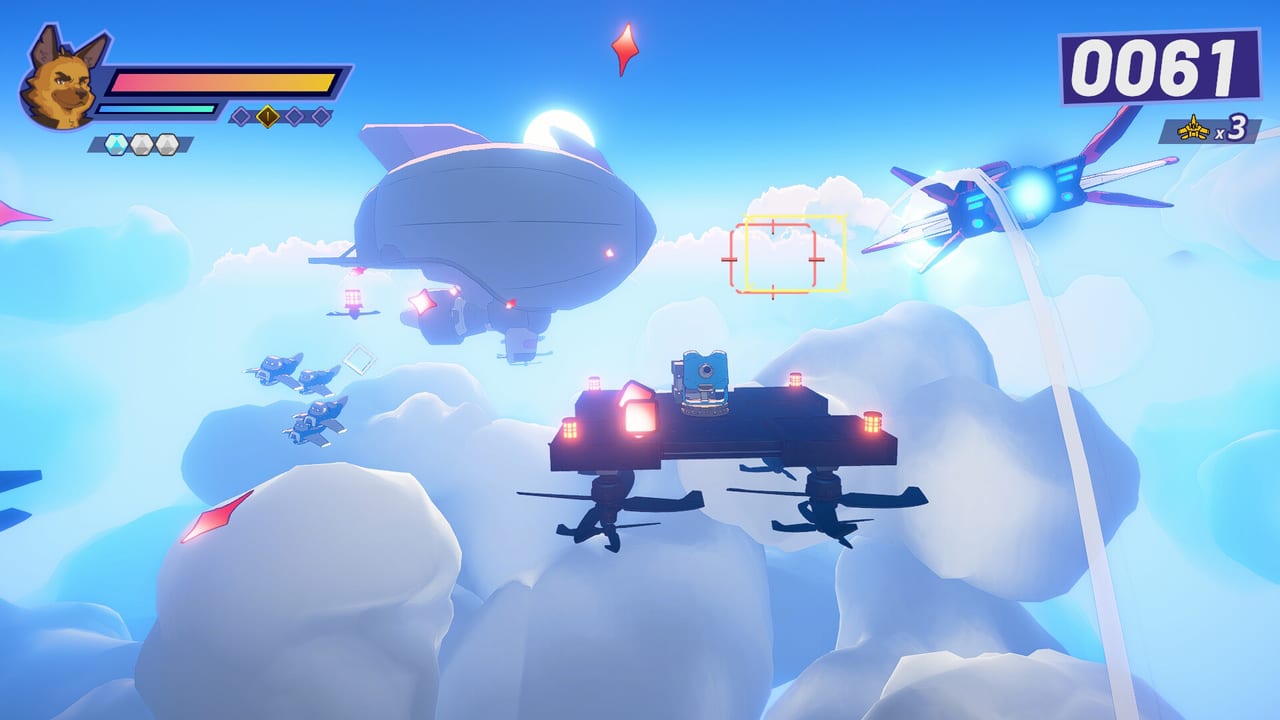
Branching paths give Wild Blue Skies replay muscle beyond a single rail spline. Where classic arcade shooters forced one camera track, Chuhai Labs and VITEI BACKROOM built missions that fork into alternate skyways, canyon runs, and interior ducts—each with different enemy scripts, scoring opportunities, and sometimes distinct boss introductions before Grimclaw’s larger threats. Branching is visible and intentional: arrows, split lanes, or squad callouts tell you a decision is coming. That distinguishes branching from Secret Paths, which hide off the main vector and often demand brake-tilt precision.
This guide explains how to read splits, how boost and brake interact with gates, and how to choose routes when medals—not just survival—matter. Control basics live in Controller Layout; medal outcomes in Score and Medals.
Technical director Zach Aikman told Digital Foundry that not every level branches. Several hide secret criteria that unlock a hard path; stay on it for a different ending and final stage. That campaign secret is not the same as a glowing Secret Path off the spline. If a debrief hints you missed an optional, replay immediately. Pair this page with the Campaign Walkthrough.
How branching works on-rails
Wild Blue Skies remains on-rails at forks. You are not choosing a free-flight heading; you select among predetermined splines at junction markers. Inputs that matter at junctions:
- Tilt toward the desired lane as the split opens.
- Boost to satisfy high-speed gates on upper or exterior routes.
- Brake to drop into lower tunnels some splits require.
- Prior shooting to clear blocking debris before the fork timer expires.
Failure to choose defaults to one path—usually the main story lane—without game-over. That safety net encourages experimentation on replays.
Types of branches in preview content
Preview missions showcase several repeatable archetypes:
Left/right scenic splits — equal difficulty skew with different scenery and enemy angles. Rival squad appearances may favor one side.
Speed-gated exteriors — require sustained boost as rings close. Missing the gate snaps you to the slower interior path with denser turret fire.
Slow interior branches — need brake to enter maintenance shafts with tighter tilt challenges and higher medal skill ceilings.
Medal-weighted paths — skip some story chatter but spawn elite targets worth more score. See Scoring for how these affect rank.
Boss-adjacent forks — choose which mini-arena you enter before a Grimclaw-aligned boss phase; covered more in Beat Bosses.
Relationship to secrets
Branches are public decisions; secrets are hidden skill checks. A branch might reveal a secret mouth only if you pick the left split first—route knowledge chains together. Completionists map full route graphs combining Branching Paths choices with Secret Paths entries on subsequent replays.
Do not assume the “harder looking” path always holds secrets. Some glow-heavy side tunnels sit on the easier branch to reward curious casual players.
Squad callouts and routing
Blue Bombers dialogue—Bowie, Thorne, Chuck, and Roe—often telegraphs upcoming forks. Lines about “upper wind shear” or “maintenance conduits” correlate with boost versus brake paths. Characters helps attribute voices so you know who gives technical routing hints versus banter.
Audio language support includes English and Japanese full voice; UI text covers additional languages listed on Platforms. Subtitles ON is recommended for first route learning.
Medal and ribbon considerations
Some ribbons require staying on a specific branch every run. Others demand branch variety across campaign clears—completing all splines at least once. Debrief screens document which path you flew; compare against checklists in Score and Medals.
When grinding medals, disable experimental secrets until you stabilize a branch choice. Secrets can accidentally fail speed-gated return paths if you lack boost cooldown awareness.
Strategic route selection
First clear — pick the path with clearer telegraphs and fewer turret crossfires; usually the wider exterior fork.
Score grind — pick medal-weighted branches with elite density; bring manual laser cadence or tuned auto-fire from Settings and Auto-Fire.
Story focus — stay main-lane when squad dialogue flags a narrative beat; Campaign notes which missions gate lore on specific splines.
Demo practice — Steam demo forks teach boost/brake without full campaign spoilers; see Demo Tips.
Common branching mistakes
- Holding boost from habit and overshooting slow interior mouths.
- Tilting too late because camera pan lags behind junction markers.
- Spending bombs before splits that spawn add waves on the harder path.
- Assuming you can reverse a branch—forks are one-way per run.
Building personal route charts
Document each mission as a small graph: Start → Branch A/B → (optional secret) → Merge → Boss. Community Tools will host shared charts near launch. Until then, pencil notes after each debrief medal screen.
Connect to the wider wiki
After branching feels natural, specialize:
- How to Play for loop fundamentals.
- Secret Paths for hidden geometry off branches.
- Controls if speed gates expose input weaknesses.
Wild Blue Skies treats route choice as gameplay, not background scenery. Master splits and you will stop feeling like a passenger on the rail—without the game ever giving up its arcade heart.
Frequently Asked Questions
Quick answers from launch-day stores, reviews, and in-game systems.
What is the difference between branching paths and secret paths?
Branching paths are visible mission forks chosen with tilt and speed inputs. Secret paths are hidden entrances off the main spline, often requiring precise brake or boost timing.
Do branch choices lock out story content?
Some dialogue varies by branch, but missions complete regardless. Campaign guides note which splits carry major story beats versus optional scenery.
How do boost gates work at branch splits?
Certain exterior routes require holding boost through closing rings. Missing the window defaults you to the alternate interior path for that run.
Does every Wild Blue Skies mission branch?
No. Zach Aikman said not every level branches. Some hide secret criteria for a hard path that can change the ending and final stage.